
The Lord of the Rings is more than a fantasy masterpiece; it is a monumental philological achievement. Unlike other authors who invent “gibberish” for flavor, J.R.R. Tolkien—a professional philologist—constructed Middle-earth to give his languages a home. As he famously put it: “The stories were made rather to provide a world for the languages than the reverse.”
The Elven Tongue: The Heart of the World
The most developed languages in Middle-earth are the Elvish ones, which Peter Jackson used extensively to provide a sense of ancient realism.
- Quenya (High Elven): Often described as “Elvish Latin,” it is a ceremonial, formal language. In the films, you hear it in solemn moments, such as Galadriel’s farewell or ancient hymns.
- Sindarin (Grey Elven): This is the “living” Elven tongue. It is what Legolas, Arwen, and Elrond speak in their daily lives. The actors had to undergo rigorous training with dialect coaches to ensure the fluid, melodic phonetics were consistent across the trilogy.
From the Deep Mines to the Dark Tower
- Khuzdul (Dwarven): A harsh, guttural language. Dwarves are famously protective of their tongue, rarely teaching it to outsiders. You mostly hear it in battle cries, such as “Baruk Khazâd! Khazâd ai-mênu!”
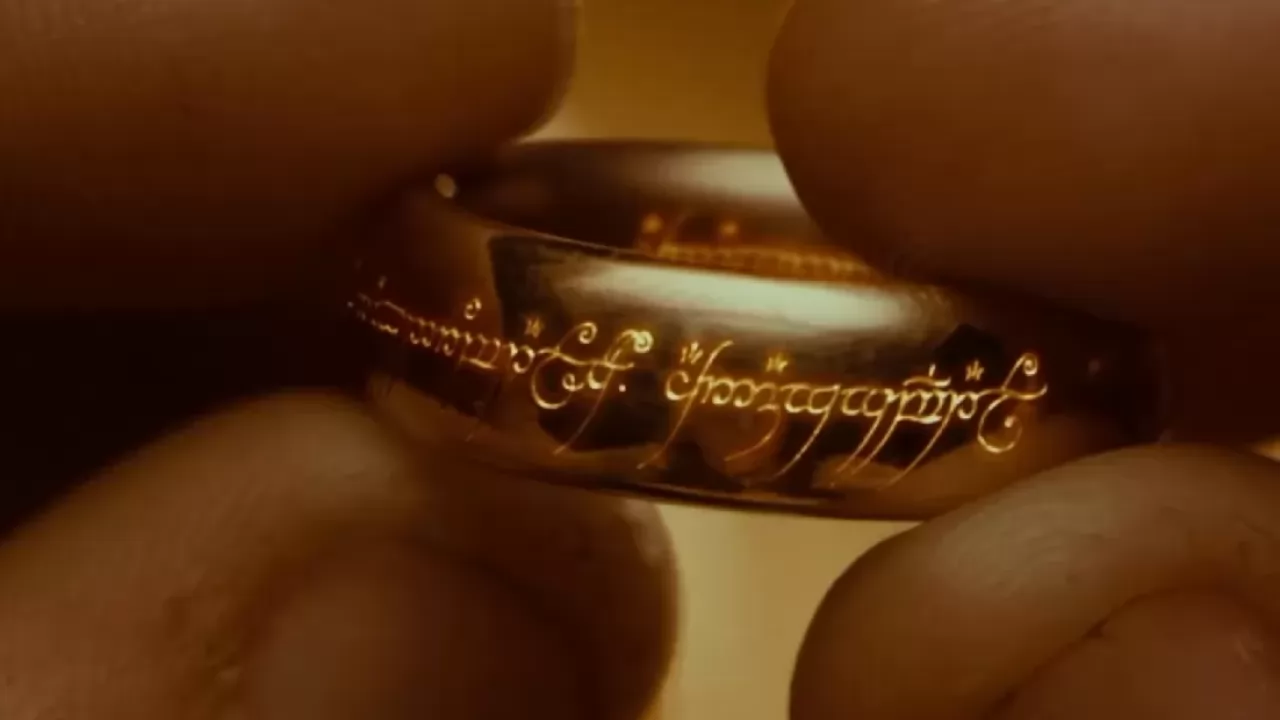
- Black Speech: Created by Sauron to be the “Anti-Quenya.” It is designed to be ugly and soul-crushing. The most famous example is the inscription on the One Ring. In the films, even the mention of it causes the sky to darken in Rivendell, symbolizing its corruptive power.
2026 Update: ‘The Hunt for Gollum’ and the “Stoor” Dialect
As we look toward the next chapter of the film franchise, linguistics will once again take center stage. Andy Serkis’ The Lord of the Rings: The Hunt for Gollum is currently deep in pre-production.
Latest Production News (Jan 2026):
- Filming Window: Principal photography is officially set to begin in May 2026 in New Zealand.
- The Return of the Icons: Sir Ian McKellen has confirmed he is returning as Gandalf. Elijah Wood is also in talks to return as Frodo (likely through de-aging technology), while the role of Aragorn is reportedly being recast with a younger actor for this prequel era.
- The “Gollum-speak” Mystery: Since the film takes place between the events of The Hobbit and The Fellowship of the Ring, linguists are curious to see if we will hear more of the Stoor dialect (the Hobbit-like language spoken by Sméagol’s people before his corruption).
“We are exploring the psychological interior of Gollum’s mind,” Andy Serkis shared in a recent interview. “That includes how his language shifted from the ‘Common Speech’ of his youth to the fragmented, sibilant ‘Gollum-speak’ we know today.”
Middle-earth Linguistic Cheat Sheet
| Language | Used By | Real-World Inspiration |
|---|---|---|
| Quenya | High Elves | Finnish |
| Sindarin | Grey Elves | Welsh |
| Khuzdul | Dwarves | Semitic Languages (Hebrew) |
| Rohirric | Riders of Rohan | Old English (Mercian) |
| Black Speech | Sauron/Orcs | Agglutinative (Hurrian/Hittite) |
